
Practical guides for websites & software.
Detailed guides to WordPress, Next.js, Laravel, web applications and e-commerce—plus the scope, integrations and maintenance decisions behind a reliable launch.

Platform decisions
5 min readWordPress vs Next.js: choosing a business website you can maintain
Choose WordPress when publishing and familiar editing are central to the business. Consider Next.js when a custom interface, application features or integration-heavy experience justifies a development workflow. Neither platform earns search rankings by itself; implementation and ongoing ownership decide the result.
Read guide
Application architecture
6 min readLaravel vs Next.js for web applications: compare responsibilities, not hype
Laravel and Next.js can both participate in a web application, but their strengths and operating assumptions differ. Laravel is a PHP application framework; Next.js is a React framework with server capabilities. Choose around the workflows you need to run, and consider whether using them together is worth the additional boundary.
Read guide
Product development
6 min readMVP web application development: scope a first release customers can use
An MVP should let a real user complete a valuable task and let the business learn from that use. It should not be a collection of unfinished screens. Start with one end-to-end workflow, decide what can remain manual and define evidence that would justify the next release.
Read guide
E-commerce platforms
5 min readWooCommerce vs Shopify: choose around checkout, ownership and operations
WooCommerce suits businesses that want a WordPress-based store and control over their installation. Shopify offers a hosted commerce platform with a defined extension model. Compare the complete order workflow, ongoing responsibilities and plan constraints before committing to either.
Read guide
B2B commerce
5 min readB2B e-commerce website development: pricing, approvals and repeat orders
A B2B store is a purchasing workflow, not just a retail catalog with a login. Its core requirements often include approved accounts, negotiated prices, purchase orders, company roles and repeat orders. Start with those business rules before choosing the storefront technology.
Read guide
Booking systems
5 min readBooking website development: prevent double bookings and missed appointments
A booking website needs to reserve a real resource reliably, not just display a calendar. Define what can be booked, when availability becomes confirmed and how cancellations, payment failures and time zones affect the appointment. A familiar booking tool may be enough; custom development should solve a specific workflow gap.
Read guide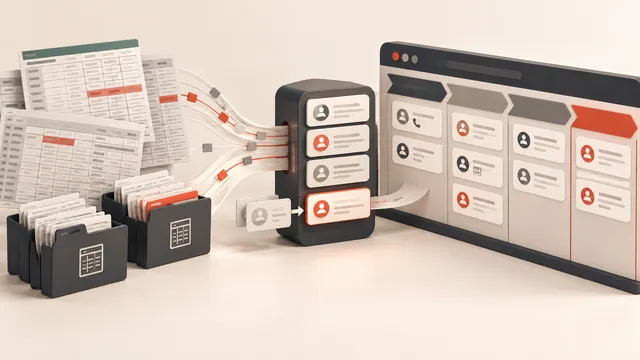
Business software
5 min readCustom CRM development: when spreadsheets stop serving your sales process
A custom CRM becomes worth considering when your sales workflow repeatedly exceeds what a spreadsheet or an existing tool can handle sensibly. First define the lost follow-ups, duplicated records and ownership gaps you need to solve. Custom software should improve the operating process, not just reproduce the spreadsheet in a browser.
Read guide
WordPress engineering
5 min readCustom WordPress plugin development: build the missing workflow safely
A custom WordPress plugin can supply a specific workflow that your site cannot handle sensibly through configuration alone. Keep that functionality separate from presentation, define permissions and failure behavior, and include staging and upgrade tests. The goal is a maintained extension, not another fragile collection of snippets.
Read guide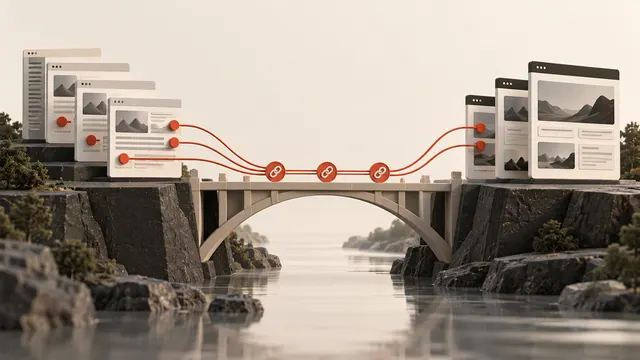
Website migrations
5 min readWordPress to Next.js migration: preserve SEO while changing platforms
A WordPress to Next.js migration should have a clear business reason and a URL-by-URL plan. Preserve useful public content and addresses wherever practical, map changed URLs to appropriate destinations and test the site users and crawlers receive. Changing frameworks does not automatically improve SEO.
Read guide
Remote collaboration
5 min readHiring a developer in Pakistan for a US business: delivery and handover
A US business can work effectively with a developer in Pakistan when communication, scope and delivery responsibility are explicit. Evaluate technical judgment and operating process rather than making assumptions from location or price. Agree overlap hours, written milestones, account ownership and support before the project starts.
Read guide
Hiring guide
5 min readHow to hire a web developer without wasting budget
Hire a web developer by testing how they understand your business, define the work and prove that the finished system works. A polished screenshot helps you judge appearance; it does not explain editing, integrations, reliability or ownership. Whether you need a first business website, an online store or a custom application, use the same practical process: clarify the outcome, compare a shared scope, review relevant evidence and agree how delivery will be accepted.
Read guide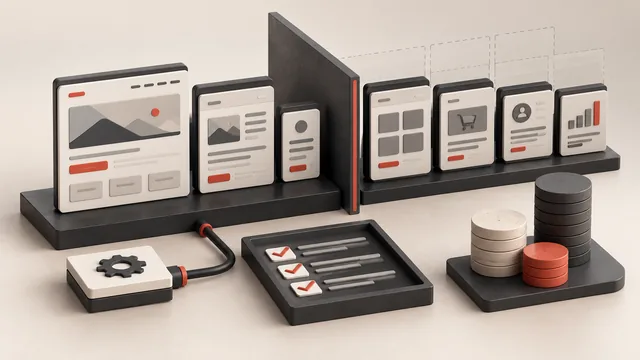
Cost guide
5 min readCustom web development cost guide for serious projects
Custom web development cost is driven by what a website or application must do, the uncertainty around that work and the responsibility included after delivery. Counting pages rarely captures the whole project. This guide shows how to separate templates, workflows, integrations, migration and ongoing care so you can compare proposals fairly and choose a first release that fits your business without building an expensive dead end.
Read guide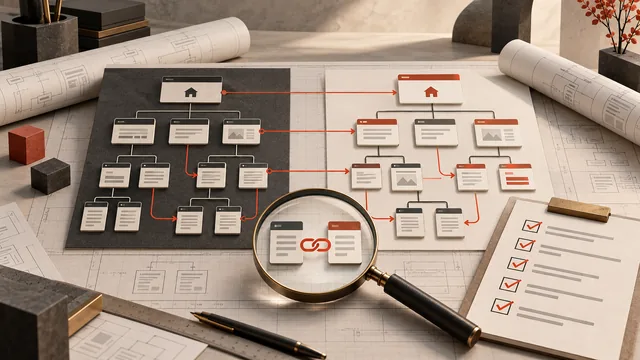
SEO checklist
6 min readWebsite redesign SEO checklist before you relaunch
A website redesign should improve how visitors understand and use your business while protecting the pages that already earn attention. Before changing templates, navigation or a CMS, establish what is indexed, which URLs matter and how enquiries currently work. This checklist turns SEO migration into a set of visible deliverables: an inventory, a destination map, a testable build and a launch review with clear owners.
Read guide
Comparison
5 min readWooCommerce vs custom e-commerce: which build fits your store?
Choose between WooCommerce and custom e-commerce by tracing how your business sells, fulfils and supports an order. A standard catalogue with familiar checkout rules is a different problem from negotiated pricing, account approvals or multi-stage fulfilment. Start with the operational requirements and the team that will run the store. The right platform should make routine work predictable without forcing an unnecessary custom system or a fragile collection of workarounds.
Read guide
Performance
5 min readWordPress performance optimization guide for business sites
WordPress performance optimization starts with finding what a real visitor waits for. A slow first response, an oversized hero image and a delayed checkout interaction are different problems and need different fixes. Measure representative pages and business journeys before changing plugins or hosting. This guide explains how to investigate bottlenecks, apply caching carefully, reduce front-end weight and verify that a faster page still works for customers and editors.
Read guide
Planning guide
5 min readClient portal requirements checklist before you build
A client portal should give customers a dependable place to see progress, share information and complete the actions your service requires. Start with the work that currently gets lost across inboxes and spreadsheets. Then define account boundaries, approvals, files, notifications and support. This requirements guide helps you scope a useful first portal and test the access rules that protect each client's information.
Read guide
Buyer checklist
5 min readWeb development RFP checklist for better proposals
A useful web development RFP gives a developer enough context to propose the right work and explain the assumptions behind it. It does not need to prescribe every screen or read like a procurement manual. Whether you are an individual, a small business or an established team, describe the problem, essential workflows, constraints and acceptance process clearly enough that proposals can be compared on the same basis.
Read guide
Maintenance
5 min readWebsite maintenance checklist for stable growth
Website maintenance protects the work a site does after launch: receiving enquiries, completing orders, serving content and keeping business information available. Updates are only one part of that responsibility. A useful maintenance plan also covers recovery, monitoring, access, integrations and release checks. Use this guide to define what is checked, who owns the response and how you know the site still works for visitors.
Read guide
Integration planning
5 min readAPI integration planning checklist for business websites and apps
API integration planning is about making business systems agree on data and handling the times when they do not. Connecting an endpoint is usually easier than deciding record ownership, retries, duplicates and recovery. Before integrating a website, store, CRM or custom application, define the information that moves, what confirms success and who resolves a failed transfer. This guide turns those decisions into a testable scope.
Read guide
Conversion
5 min readLanding page conversion checklist for service businesses
A service landing page should help the right visitor recognise their problem, understand the offer and take a comfortable next step. More animation or a larger button will not solve an unclear promise or an unreliable form. Use this conversion checklist to review message clarity, relevant proof, contact friction and confirmed enquiry delivery before deciding that the page simply needs more traffic.
Read guide
Software decision
5 min readCustom web app vs SaaS tools: how to choose the right system
Choose a custom web app or SaaS tools by examining the workflow, the people who operate it and the constraints that matter to the business. Existing software can be the simplest answer; custom development can be justified when repeated workarounds have become the system itself. This guide helps you compare configuration, integration and a purpose-built application without assuming that every growing business needs to replace its tools.
Read guide
Technical SEO
5 min readTechnical SEO checklist for web development projects
Technical SEO for web development makes public content reachable, understandable and consistent across URLs, page responses and navigation. It belongs in the build and release process rather than a last-minute plugin installation. This checklist focuses on the work a developer can verify: crawlable routes, rendered content, canonical signals, redirects, structured data and real production checks that keep private information protected.
Read guide
Project discovery
5 min readWeb development discovery checklist before scope and quote
Web development discovery should turn an unclear request into decisions that make the project possible to scope and build. The output is not a longer list of features. It is a shared understanding of users, workflows, content, integrations, constraints and the first release. Use this checklist before requesting a detailed quote, especially when the website must replace an existing process or connect several business systems.
Read guide
Security
5 min readWebsite security checklist for WordPress, stores and web apps
A website security checklist should cover the information and actions the business actually needs to protect. WordPress, online stores and custom web applications have different operating details, but all need deliberate access, updates, input handling and recovery. Use this guide to organise practical responsibilities and acceptance checks. A security plugin or hidden URL can be one part of a system; neither replaces a clear protection model.
Read guide
Analytics
5 min readConversion tracking and analytics checklist for business websites
Conversion tracking should help you explain what happens between a visitor arriving and a useful enquiry reaching the business. A page view, a contact click and an accepted message are different events. This checklist helps you define the funnel, verify the implementation, protect personal information and compare reports without treating every counter as a count of the same people.
Read guideUseful questions before you hire.
A cleaner SEO approach: helpful FAQs on the hub, deeper articles underneath and no thin answer pages competing with the main content.
Start with the hiring guide, then read the cost guide and discovery checklist. Together they help you understand scope, budget, timelines, platform choice and the warning signs that usually create expensive rebuilds later.
Yes. The guides cover platform decisions, migrations, performance, custom integrations and maintenance as well as new builds. Start with the workflow or operational problem you need to improve.
Many client projects include private business workflows, dashboards, revenue data, screenshots or internal systems. Public authority is built through practical guides, clear service pages and private proof when a serious client needs it.
Yes. The strongest inquiries usually come with a clear goal, must-have features, preferred timeline, budget range, integration needs and maintenance expectations. These guides help you prepare that before starting a project.
Yes. The library covers hiring, pricing, redesign SEO, WordPress performance, WooCommerce versus custom e-commerce, client portals, RFP planning, API integrations, security, analytics and long-term website maintenance.

Have a project in mind? Let's make it exceptional.
Tell me what you're trying to achieve and I'll reply personally, usually within a day. One partner, from the first idea to a live, growing product.